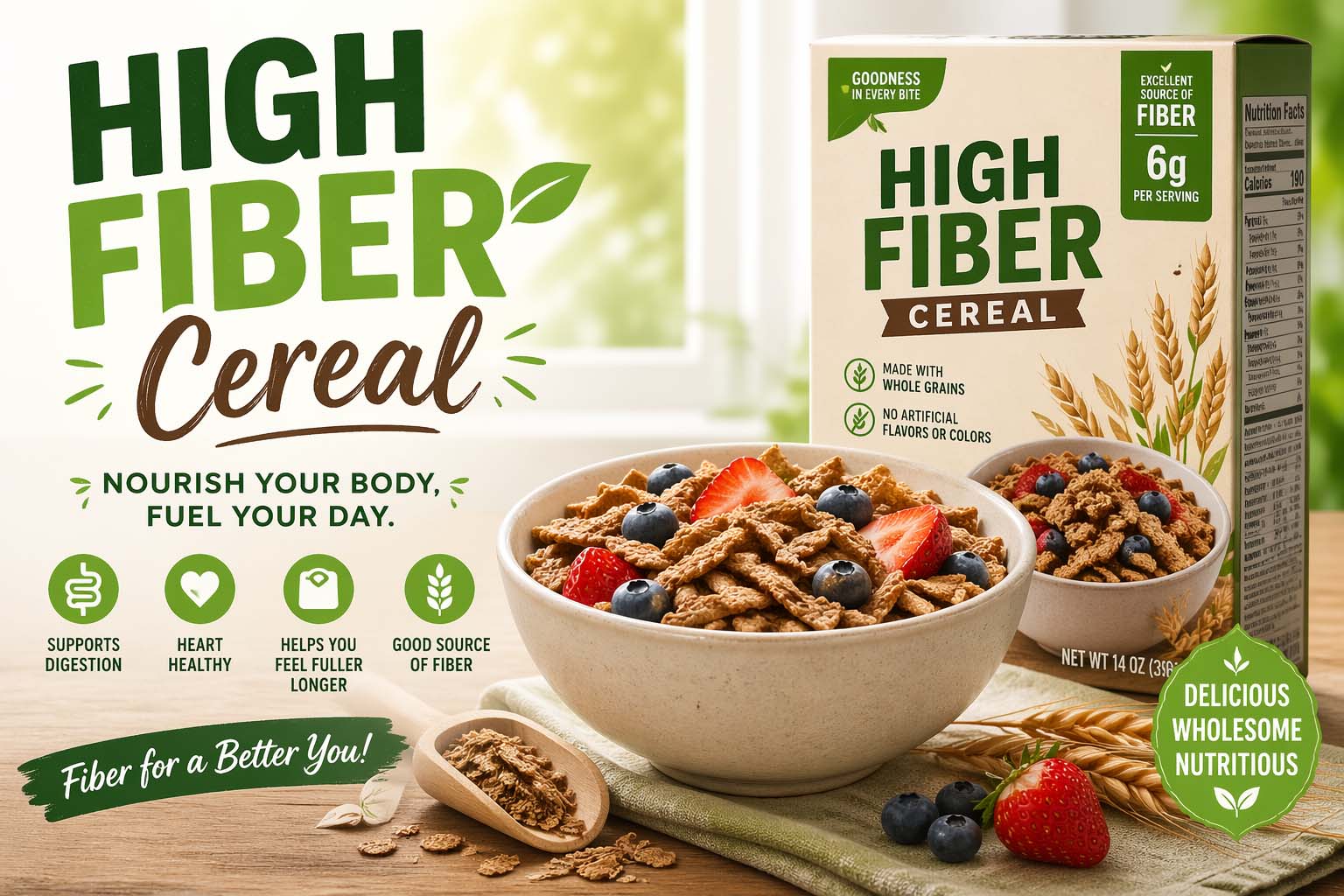
Choosing the right breakfast can make a big difference in your health, energy levels, and digestion. One of the smartest options for a balanced morning meal is high al. Fiber is an essential nutrient that supports digestion, helps control appetite, promotes heart health, and can even assist with weight management. Yet many people do not get enough fiber each day.
A bowl of high fiber cereal offers a quick, convenient, and tasty way to increase your daily intake. Whether you want better digestive health, longer-lasting fullness, or healthier eating habits, the right cereal can help you start the day strong. In this guide, we will explore the benefits of high , how to choose the best option, and ways to make it even healthier.
What Is High Fiber Cereal?
High fiber cereal is breakfast cereal that contains a significant amount of dietary fiber per serving. Fiber comes from plant foods such as whole grains, bran, oats, seeds, and fruits. Unlike other carbohydrates, fiber is not fully digested by the body, which helps keep the digestive system functioning properly.
Most nutrition experts recommend adults consume around 25 to 38 grams of fiber daily depending on age and gender. Many standard cereals contain only a small amount of fiber, while high fiber cereal may offer 5 grams or more per serving.
Benefits of High Fiber Cereal
Adding high fiber cereal to your breakfast routine can provide many health advantages.
Supports Digestive Health
It may reduce constipation and help maintain gut health.
Keeps You Full Longer
High fiber foods digest more slowly, which can help you feel satisfied longer after breakfast. This may reduce snacking and overeating later in the day.
Helps Manage Weight
Because fiber promotes fullness, it can be useful for people trying to maintain or lose weight as part of a healthy lifestyle.
Supports Heart Health
Certain types of fiber, especially soluble fiber from oats and barley, may help support healthy cholesterol levels.
Helps Stabilize Blood Sugar
Fiber can slow the absorption of sugar, helping prevent energy crashes after meals.
Best Ingredients to Look For
Not all cereals are created equal. When shopping for high fiber cereal, look for ingredients that provide real nutritional value.
Whole Grains
Whole wheat, oats, barley, brown rice, and quinoa are excellent choices.
Bran
Wheat bran and oat bran are rich in fiber and commonly used in cereals.
Seeds and Nuts
Flaxseeds, chia seeds, almonds, and pumpkin seeds add fiber and healthy fats.
Dried Fruit
Raisins, berries, and apples can add natural sweetness and extra fiber.
How to Choose a Healthy High Fiber Cereal
Many cereals are marketed as healthy but contain added sugars or artificial ingredients. Use these tips when selecting the best product.
Check Fiber Content
Choose cereals with at least 5 grams of fiber per serving. Some premium options contain 10 grams or more.
Watch Added Sugar
Aim for lower sugar options whenever possible. Too much sugar can cancel out some health benefits.
Read the Ingredient List
Look for whole grains as the first ingredient rather than refined flour.
Consider Protein
A cereal with fiber and protein may keep you fuller longer.
Portion Size Matters
Always check serving size because nutrition numbers can vary.
Popular Types of High Fiber Cereal
Several cereal styles can help boost fiber intake.
Bran Flakes
Classic bran cereals are among the most popular fiber-rich breakfast choices.
Oat-Based Cereals
Oats provide soluble fiber and a mild flavor many people enjoy.
Granola With Whole Grains
Some granolas contain fiber, but watch sugar levels.
Shredded Wheat
Whole wheat biscuits can be a simple and nutritious option.
Muesli
Muesli often includes oats, seeds, dried fruit, and nuts for natural fiber.
How to Make High Fiber Cereal Even Better
You can turn a basic bowl of cereal into a nutrient-packed meal with a few simple additions.
Add Fresh Fruit
Bananas, berries, apples, or pears increase fiber, vitamins, and flavor.
Include Nuts or Seeds
Walnuts, almonds, chia seeds, or flaxseeds add healthy fats and extra nutrition.
Use Greek Yogurt
Mixing cereal with yogurt adds protein and creaminess.
Choose Healthy Milk Options
Low-fat milk, almond milk, soy milk, or oat milk can all work well.
Is High Fiber Cereal Good for Weight Loss?
Many people choose high fiber cereal while trying to lose weight because it can help manage hunger. A fiber-rich breakfast may keep cravings lower during the morning and support better portion control later in the day.
However, success depends on choosing cereals low in sugar and eating appropriate serving sizes. Pairing cereal with protein like yogurt or milk may improve satiety even more.
Can High Fiber Cereal Cause Side Effects?
Increasing fiber too quickly may cause bloating, gas, or stomach discomfort in some people. If you are not used to fiber-rich foods, start with smaller portions and gradually increase intake.
Drinking enough water is also important because fiber works best with proper hydration.
Who Should Eat High Fiber Cereal?
High fiber cereal can be a smart option for many people, including:
- Busy adults needing a quick healthy breakfast
- People wanting better digestion
- Anyone trying to improve heart health
- Those aiming to manage appetite
- Families seeking convenient nutritious meals
Children can also enjoy high fiber cereal, but choose lower sugar varieties.
Tips for Buying the Best High Fiber Cereal
When comparing brands, ask yourself:
- How much fiber per serving?
- Is sugar low or moderate?
- Are whole grains first on the label?
- Does it contain protein?
- Is the taste enjoyable enough to eat regularly?
The healthiest cereal is the one you enjoy and can include consistently in your routine.
Conclusion
A quality high fiber cereal can be one of the easiest ways to improve your breakfast and increase daily fiber intake. From supporting digestion to helping you stay full longer, fiber-rich cereals offer real health benefits when chosen wisely.